follow on twitter follow on facebook rss feed subscribe to email updates

Animals / Reptiles / Snake Types / More Types of Snakes

More Types of Snakes
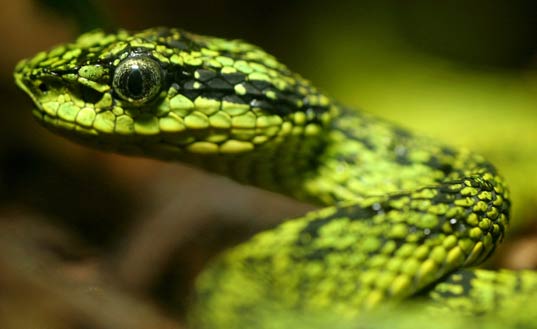

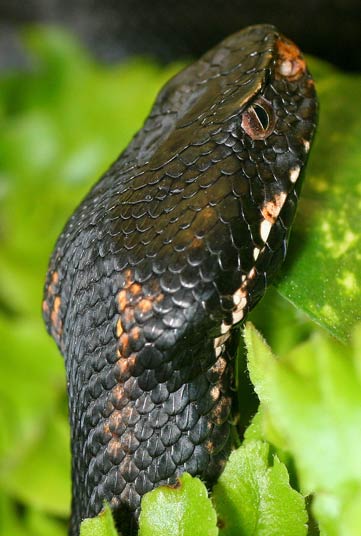
Baby Black Speckled Pal Pitviper

Baby Black Speckled Pal Pitviper - Source: Tad Arensmeier


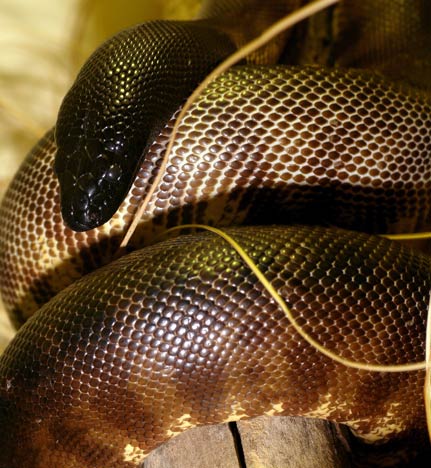
Black Headed Python

Black Headed Python - Source: Tad Arensmeier


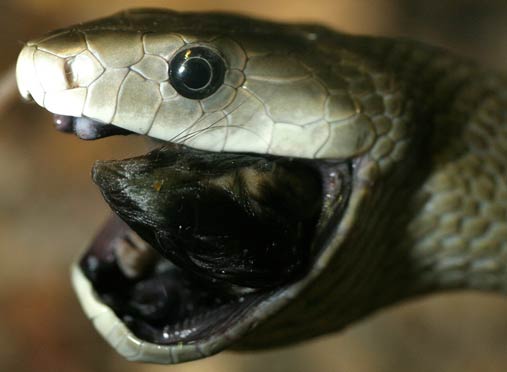
Black Mamba

Black Mamba - Source: Tad Arensmeier


Caucasus Viper

Caucasus Viper - Source: Tad Arensmeier


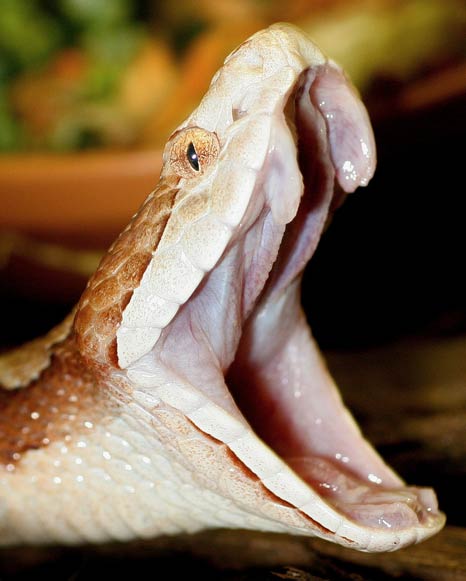
Copperhead

Copperhead - Source: Tad Arensmeier


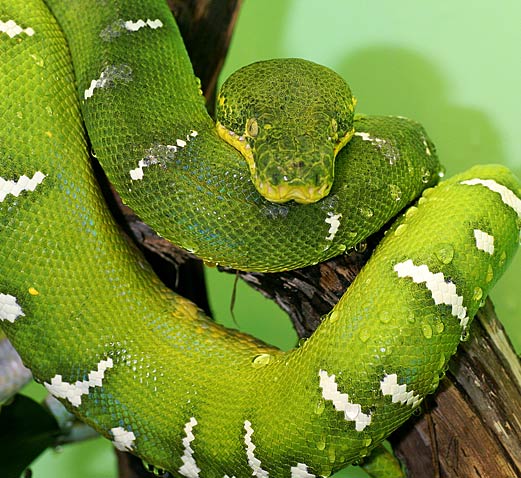
Emerald Tree Boa

Emerald Tree Boa - Source: Tad Arensmeier


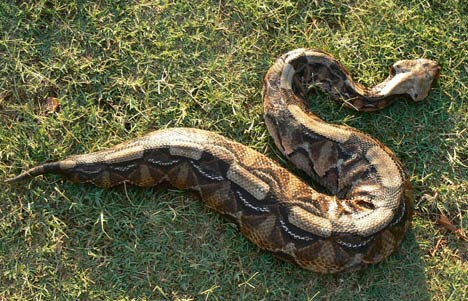
Gaboon Viper in Mozambique
Gaboon Viper in Mozambique


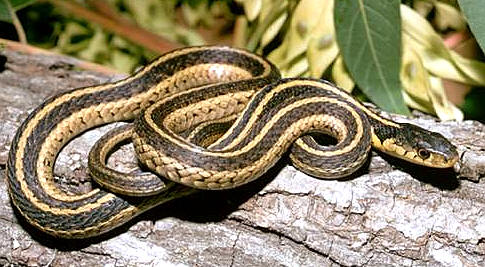
Garter Snake
Garter Snake


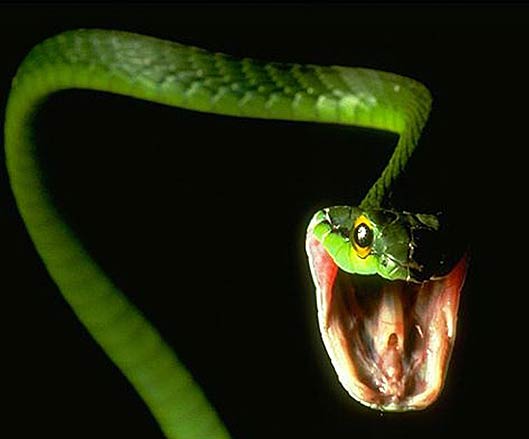
Green Snake

Green Snake


Hognose Snake

Hognose Snake


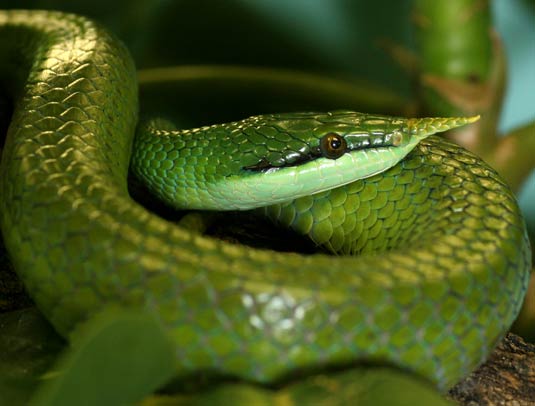
Vietnamese Long-nose

Vietnamese Long-nose - Source: Tad Arensmeier


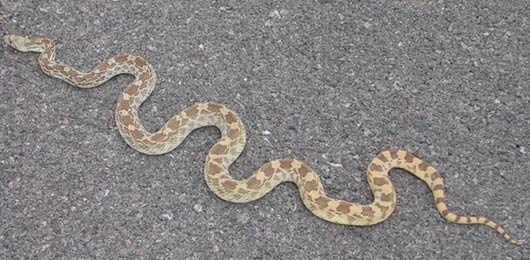
Sonoran Gopher Snake in Arizona
Sonoran Gopher Snake in Arizona


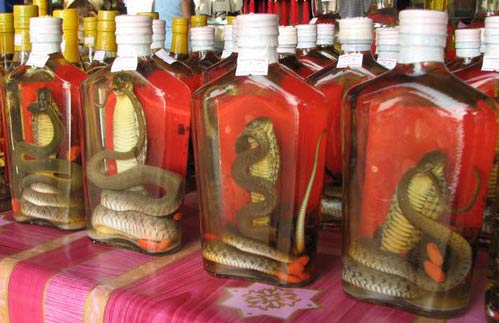
Snake Whiskey in Thailand

Snake Whiskey in Thailand


Wikipedia excerpt for "Viperidae":

The Viperidae are a family of venomous snakes found all over the world, except in Australia and Madagascar. All have relatively long hinged fangs that permit deep penetration and injection of venom. Four subfamilies are currently recognized.
All viperids have a pair of relatively long solenoglyphous (hollow) fangs, that are used to inject venom from glands located towards the rear of the upper jaws. Each of the two fangs is at the front of the mouth on a short maxillary bone that can rotate back and forth. When not in use, the fangs fold back against the roof of the mouth and are enclosed in a membranous sheath. The left and right fangs can be rotated together or independently. During a strike, the mouth can open nearly 180° and the maxilla rotates forward, erecting the fangs as late as possible so as the fangs do not become damaged. The jaws close on impact and powerful muscles that surround the venom glands contract to inject the venom as the fangs penetrate. This action is very fast; in defensive strikes it can be more a stab than a bite. Viperids use this mechanism primarily for immobilization and digestion of prey. Secondarily it is used for self-defense. Although in most cases with non prey items such as humans they are more likely to give a dry bite (not inject any venom).
Almost all vipers have keeled scales, a stocky build with a short tail, and, due to the location of the venom glands, a triangular-shaped head distinct from the neck. Their eyes have vertically elliptical, or slit-shaped, pupils that can open wide to cover most of the eye or close almost completely, which helps them to see in a wide range of light levels. Typically, vipers are nocturnal and ambush their prey.

See full Wikipedia Viperidae article


Photo search for "viperidae" on Flickr.com:

Click on thumbnails to see picture details on Flickr

ajaxload


Snake Book at Amazon.com: